BOISE, Idaho, Sept. 14, 2026 – NAIA colleges and universities participating in the THRIVE employee health captive can now implement a new strategy for reducing healthcare costs while improving employee benefits. Through a partnership with Health2Business, participating institutions can implement direct contracts with local healthcare providers rather than relying solely
If you’re like a lot of employers right now, you’re looking for ways to reduce employee benefits costs. Rising health care and pharmacy spending continue to put pressure on employer benefits budgets. To protect their bottom line, some employers may consider reducing coverage, increasing employee contributions or raising deductibles. These
The most valuable benefits package isn’t necessarily the one with the most benefits. It’s the one that directs employer spending toward the benefits that employees actually need, understand and can afford to use. Even a substantial benefits investment can miss the mark when employee benefits plan design doesn’t reflect the
An employee benefits plan renewal should be a decision, not a default. Ahead of open enrollment, employers face a familiar annual cycle. They receive the group health plan renewal notice, review the changes and decide how to move forward. Premium hikes, increased out-of-pocket costs, narrower networks and reduced coverage can
As your organization grows, managing employee benefits often becomes more complex. Rising costs, a larger or more dispersed workforce, greater administrative demands and changing employee expectations may require more from your employee benefits broker than they once did. If you’re no longer receiving the strategy, service or health plan solutions
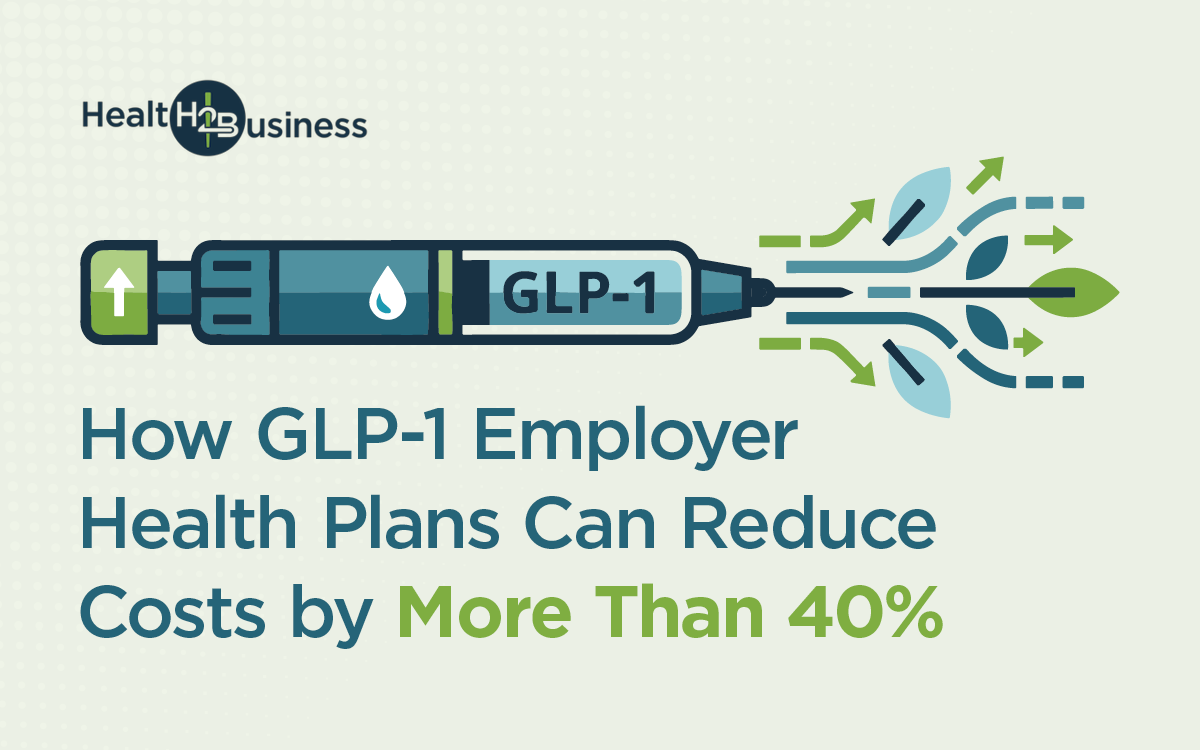
GLP-1 utilization has surged, driving increased pharmacy spending and forcing employers to make difficult decisions. How do you provide access to in-demand and potentially valuable treatments while keeping your health plan affordable and sustainable? Heading into the next round of health plan renewals, GLP-1 coverage has become a critical cost
To control healthcare spending, you need to understand it first. Healthcare costs continue to rise, creating challenges for both employers and employees. A recent UnitedHealthcare Briefing, drawing on data from the 2026 Health Trends Report, highlights the key factors driving spending increases and offers strategies employers can use to help
It’s become increasingly difficult to stand out in employee benefit sales. Most brokers are offering the same basic plan designs from the same carriers, and employers often aren’t impressed with the options. A blue ocean strategy offers a different approach. Instead of struggling to get noticed in a crowded market,
Truck drivers face unique challenges, so they need employee benefit solutions that meet their needs. Employers can provide great benefits while controlling costs with innovative solutions, such as self-funded direct health plans and telehealth options. Commercial drivers keep our country’s stores stocked, but it’s not an easy job. Effective employee
Reference-based pricing has helped many self-funded employers take greater control over healthcare spending through more transparent and predictable cost structures. Now, some employers are now taking the next step by building direct partnerships with community healthcare providers. By moving beyond traditional reference-based pricing models, employers can create a more collaborative
Securing health coverage is more challenging when your business is in a rural community. The health plan options are limited, the costs are higher, and if your local providers are out of network, you’re out of luck. A direct plan offers a simple alternative, and it can also save rural
Providence Health Plan’s planned exit from most of the health insurance market in 2027 means many Portland employers will soon need to find a new benefits solution. Rather than simply replacing one carrier with another, this transition presents an opportunity to rethink how health benefits are funded and delivered. By