What happens when employers can’t afford to provide adequate family coverage, and workers can’t afford to get the care they need? Our country is already seeing the results – delayed care, medical debt, hurting families and stressed workplaces. The problems facing our healthcare system are substantial, and the solutions need to be bold.
How Many Americans Rely on Employer-Sponsored Plans?
According to the U.S. Government Accountability Office (GAO), 165 million U.S. individual get their health insurance through an employer as of 2023, compared to just 16 million who get their coverage through the ACA.
For working-aged individuals and their children, employer-sponsored coverage is the primary source of health insurance. For decades, this system worked, but soaring costs have thrown a wrench into the system.
The KFF 2025 Employer Health Benefits Survey shows that average premiums for family coverage have increased from $17,680 in 2015 to $21,419 in 2020 and to $26,993 in 2025. Both employers and workers have shouldered the rising costs. Between 2020 and 2025, total premiums increased by 26%, and worker contributions increased by 23%, reaching $6,850.
But premiums aren’t the only expense workers need to worry about. The KFF report shows that deductibles and copayments have also increased. In 2009, only 7% of covered workers had a general annual deductible of $2,000 or more. By 2025, this figure surged to 34%. In 2009, the majority of covered workers with a copayment for primary care visits paid $20 or less, and only around 1% paid more than $30. In 2025, the majority of covered workers paid more than $20, and 21% paid more than $30.
What Is the Real-World Impact of Rising Healthcare Costs?
Imagine you’re an average worker with an average health insurance plan and a family to support. Money is tight, so when you start to experience gastrointestinal distress, the last thing you want to do is spend money on pricy copays for doctor visits and tests. You figure it’s probably just stress, so you try to ignore the symptoms until they get so bad you can’t ignore them. When you finally get tested, you learn that you have colon cancer. If you’d caught it earlier, treatment would have been easier, and your prognosis would have been better. You have to take time off work to undergo expensive treatments. You insurance picks up some of the costs, and you go into medical debt over the rest.
For many Americans, this is reality. The Commonwealth Fund 2024 Biennial Health Insurance Survey found that 66% of adults who have insurance but are underinsured with high out-of-pocket costs have coverage through an employer. Among underinsured adults, 57% say they avoided getting necessary care due to the cost, and 44% say they have medical or dental debt.
What Are the Effects of Unaffordable Healthcare?
Delayed care contributes to worse outcomes and higher costs. When workers and their family members put off care because of high costs, medical issues that could have been easy to treat if caught early can become life threatening. For the individuals and their families, this is a nightmare scenario. It’s also bad news for employers, who face higher healthcare costs due to increased severity of claims, as well as negative impacts on worker productivity, engagement and retention.
When care is unaffordable, everyone suffers.
When employers help their workers obtain routine and preventive care, everyone wins.
How Can A Direct Employee Benefit Model Control Costs for Everyone?
Under the traditional insurance model, workers, their families and their employers are hurting. Health2Business offers an alternative approach. By contracting directly with high-quality providers and health systems, employers can offer affordable healthcare to their workers.
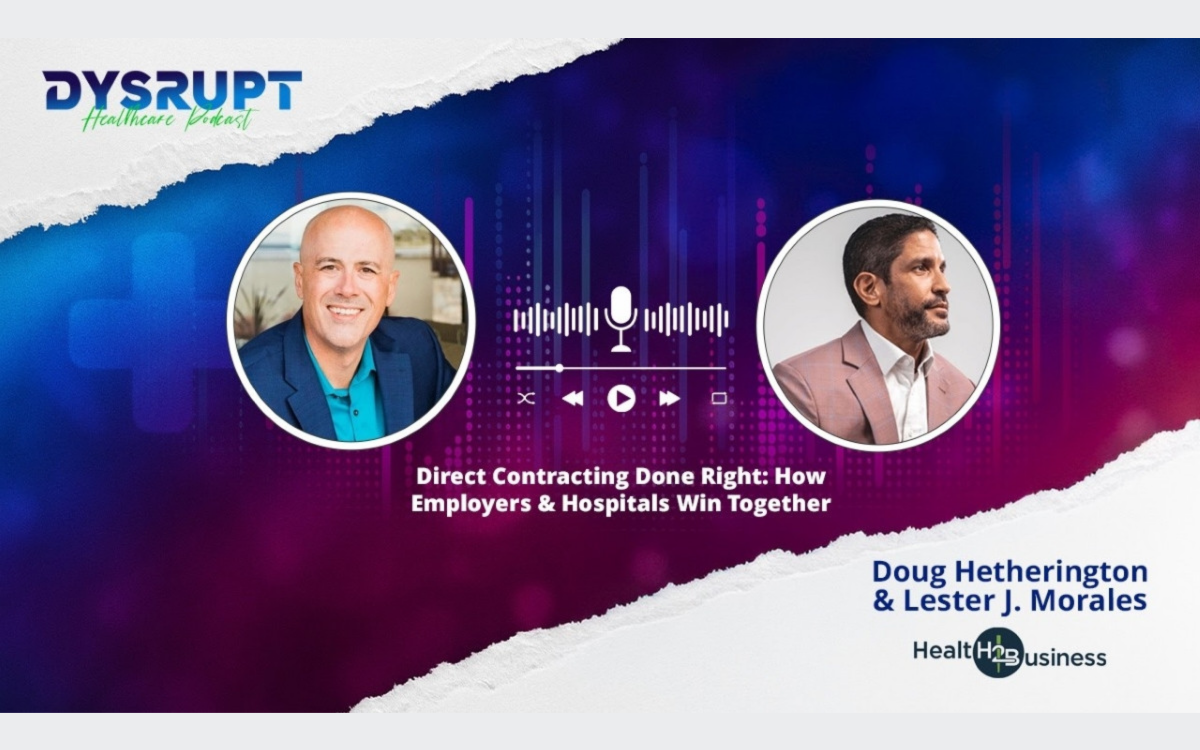
Watch this video to learn more.