
What’s Driving Healthcare Spending?
To control healthcare spending, you need to understand it first. Healthcare costs continue to rise, creating challenges for both employers and employees. A recent UnitedHealthcare Briefing, drawing on data from the 2026 Health Trends Report, highlights the key factors driving spending increases and offers strategies employers can use to help manage costs. U.S. Healthcare Spending […]
The Blue Ocean Opportunity in Employee Benefit Sales
It’s become increasingly difficult to stand out in employee benefit sales. Most brokers are offering the same basic plan designs from the same carriers, and employers often aren’t impressed with the options. A blue ocean strategy offers a different approach. Instead of struggling to get noticed in a crowded market, you focus on an underserved […]
Employee Benefits for Trucking Companies: Solutions That Reduce Turnover and Control Costs
Truck drivers face unique challenges, so they need employee benefit solutions that meet their needs. Employers can provide great benefits while controlling costs with innovative solutions, such as self-funded direct health plans and telehealth options. Commercial drivers keep our country’s stores stocked, but it’s not an easy job. Effective employee benefits for trucking companies can […]
Beyond Reference-Based Pricing: A More Sustainable Approach to Healthcare
Reference-based pricing has helped many self-funded employers take greater control over healthcare spending through more transparent and predictable cost structures. Now, some employers are now taking the next step by building direct partnerships with community healthcare providers. By moving beyond traditional reference-based pricing models, employers can create a more collaborative and sustainable approach that supports […]
How Rural Employers Are Reducing Health Plan Costs While Improving Access to Care
Securing health coverage is more challenging when your business is in a rural community. The health plan options are limited, the costs are higher, and if your local providers are out of network, you’re out of luck. A direct plan offers a simple alternative, and it can also save rural employers significant money. Why Rural […]
Providence Health Plan Exit Forces Portland Employers to Find a New Benefits Strategy
Providence Health Plan’s planned exit from most of the health insurance market in 2027 means many Portland employers will soon need to find a new benefits solution. Rather than simply replacing one carrier with another, this transition presents an opportunity to rethink how health benefits are funded and delivered. By exploring alternatives now, employers can […]
Where Your Healthcare Dollars Go … And How to Get A Few Back
If you want to control your company’s healthcare costs, you need to know where the money is actually going. It’s not just medical care. Administrative overhead and carrier margins quietly consume a meaningful share of every premium dollar. However, once you see the breakdown, you can start redirecting spend toward actions that improve outcomes. The […]
Why ESOPs Thrive in Direct Partnership Health Plans
Peanut butter and jelly. Romeo and Juliet. ESOPs and direct partnership health plans. Some things just belong together. Companies that offer Employee Stock Ownership Plans (ESOPs) know the value of collaboration. When employees gain ownership of company shares, they also gain a vested interest in the long-term prosperity of the company, contributing to better engagement, […]
Employee Wellbeing: What It Is and Why It Matters
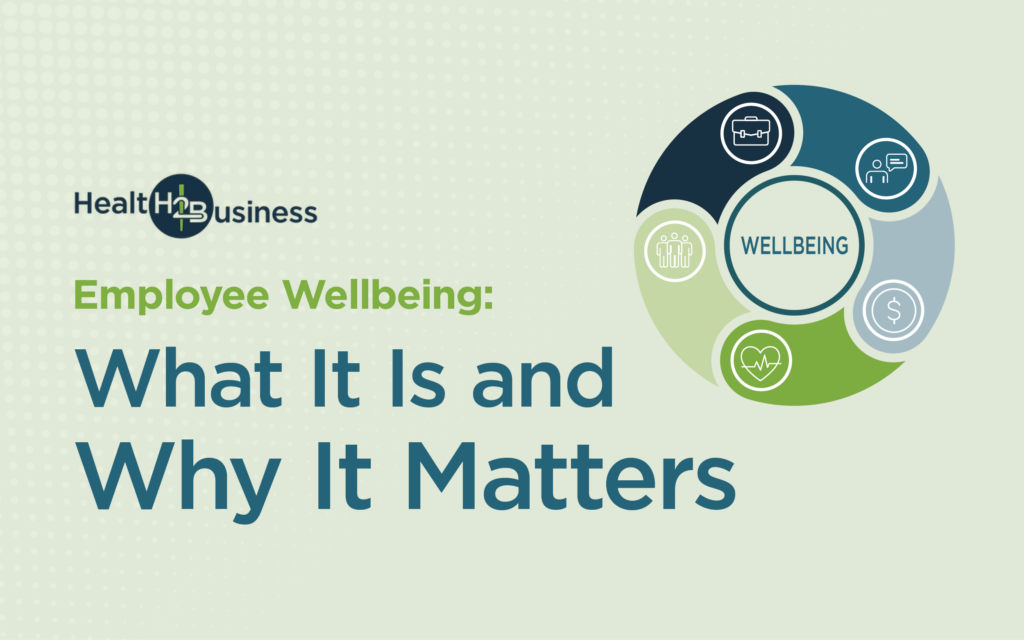
HR professionals love to talk about employee wellbeing. People on the outside may wonder what the heck they’re going on about and whether it actually matters. The reality is that, yes, employee wellbeing is a real concern, and it can actually affect your company’s bottom line. Defining Employee Wellbeing “Employee wellbeing” can seem like a […]
How Can Free Babies Change Your Health Plan?
People who want to have a baby in the U.S. can expect to cough up around $2,743. That’s the average out-of-pocket expenses for women enrolled in an employer health plan, according to the Peterson-KFF Health System Tracker. For many working-class families, that’s too much, especially when adding in all the diapers, baby clothes, car seats […]